




Shussaigama to Mingei no Shitachi (Shussai Kiln and the Masters of Mingei) / Seigensha
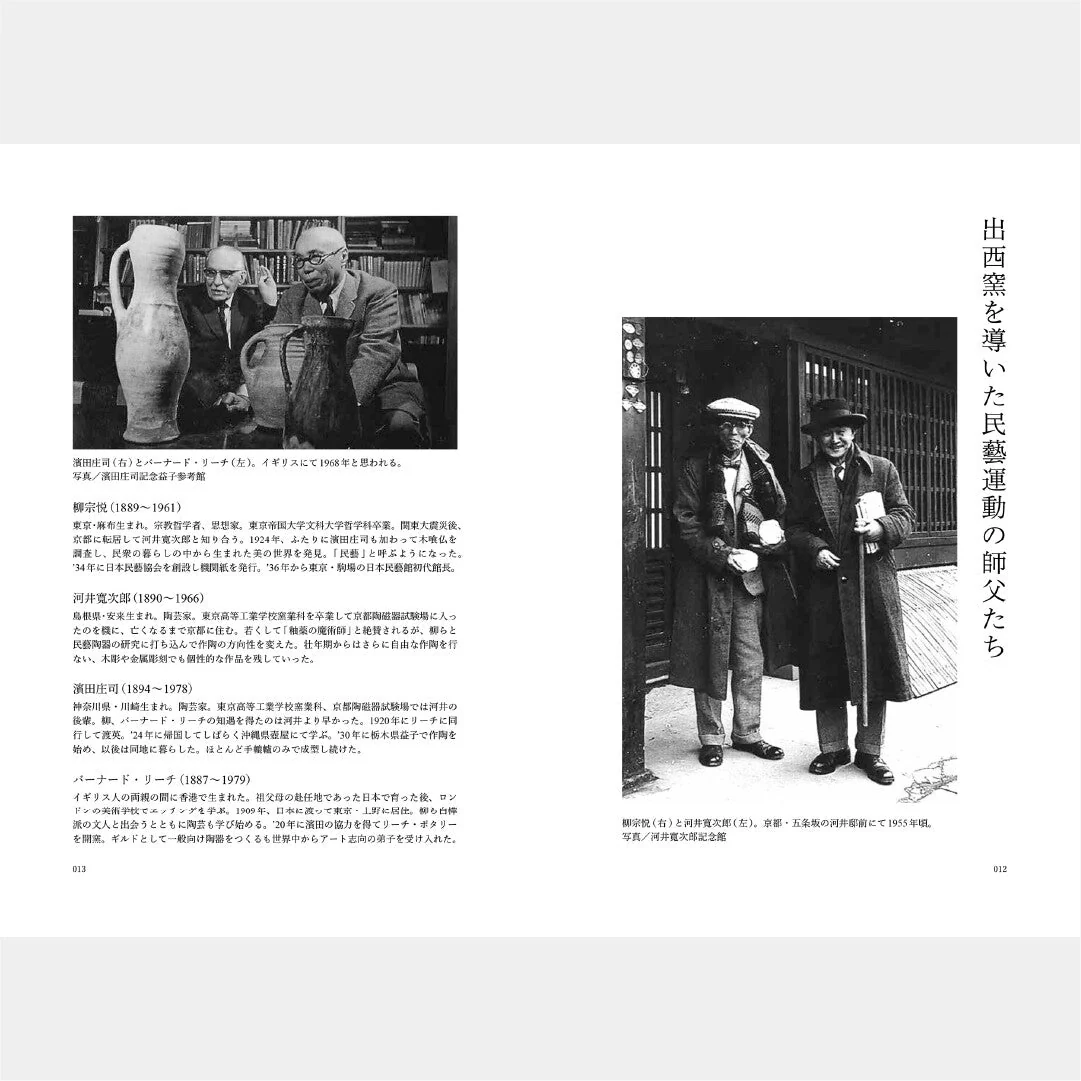
Shussaigama to Mingei no Shitachi (Shussai Kiln and the Masters of Mingei) by Seigensha chronicles the story of Shussai Kiln, a folk pottery established in Izumo City, Shimane Prefecture by amateur young men immediately after World War II. Following a major shift in values after the war, these potters aimed to create an ideal craft cooperative where no one would exploit anyone else. Guided by the founding fathers of the mingei movement — Muneyoshi Yanagi, Kanjiro Kawai, Shoji Hamada, and Bernard Leach — the kiln has become a representative pottery of Shimane.
Author Hiromitsu Tatano examines the trajectory of this multi-generational cooperative, exploring fundamental questions about lifelong purpose and the joy of work through the lens of traditional Japanese folk craft.
Author Hiromitsu Tatano examines the trajectory of this multi-generational cooperative, exploring fundamental questions about lifelong purpose and the joy of work through the lens of traditional Japanese folk craft.
Key Features
- Shussai Kiln history: Chronicles the post-war establishment of a folk pottery in Izumo.
- Mingei movement masters: Explores the influence of Yanagi, Kawai, Hamada, and Leach.
- Ideal craft cooperative: Examines the vision of a non-exploitative collective workspace.
- Work and purpose: Investigates lifelong purpose and the joy of work.
- Multi-generational trajectory: Traces the cooperative's evolution across generations.
| Format | B6 paperback (四六判) |
|---|---|
| Pages | 256 pages |
| Author | Hiromitsu Tatano |
| Material | Paper |
| Made in | Japan |
$1.61
Shussaigama to Mingei no Shitachi (Shussai Kiln and the Masters of Mingei) / Seigensha—
$1.61
Product Information
Product Information
Shipping & Returns
Shipping & Returns
Description
Shussaigama to Mingei no Shitachi (Shussai Kiln and the Masters of Mingei) by Seigensha chronicles the story of Shussai Kiln, a folk pottery established in Izumo City, Shimane Prefecture by amateur young men immediately after World War II. Following a major shift in values after the war, these potters aimed to create an ideal craft cooperative where no one would exploit anyone else. Guided by the founding fathers of the mingei movement — Muneyoshi Yanagi, Kanjiro Kawai, Shoji Hamada, and Bernard Leach — the kiln has become a representative pottery of Shimane.
Author Hiromitsu Tatano examines the trajectory of this multi-generational cooperative, exploring fundamental questions about lifelong purpose and the joy of work through the lens of traditional Japanese folk craft.
Author Hiromitsu Tatano examines the trajectory of this multi-generational cooperative, exploring fundamental questions about lifelong purpose and the joy of work through the lens of traditional Japanese folk craft.
Key Features
- Shussai Kiln history: Chronicles the post-war establishment of a folk pottery in Izumo.
- Mingei movement masters: Explores the influence of Yanagi, Kawai, Hamada, and Leach.
- Ideal craft cooperative: Examines the vision of a non-exploitative collective workspace.
- Work and purpose: Investigates lifelong purpose and the joy of work.
- Multi-generational trajectory: Traces the cooperative's evolution across generations.
| Format | B6 paperback (四六判) |
|---|---|
| Pages | 256 pages |
| Author | Hiromitsu Tatano |
| Material | Paper |
| Made in | Japan |